Caffeine Made Soccer Players Faster, But Not at Reacting
Everyone assumes caffeine makes athletes sharper all around, but a new double-blind trial in amateur soccer players tells a more nuanced story. A 300 mg dose (about 3.7 mg/kg) improved planned agility with an effect size of 0.62 and also boosted jump performance. But when players had to react to a light or a human opponent, the benefits were small or not statistically significant. Here is what the study found, how to read the results, and who might actually benefit.
Fatigue Slowed Reactions 18%. Caffeine Gum Held It to 3%
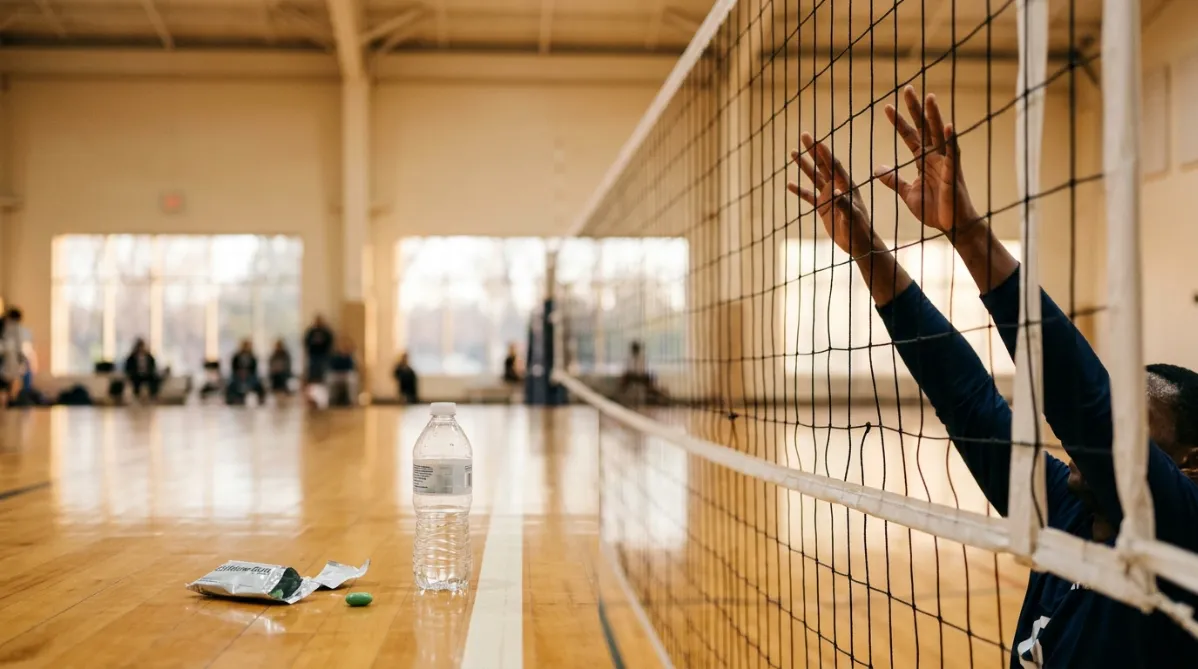
After a brutal repeated-blocking fatigue protocol, elite volleyball players on placebo got 18.4% slower in their reactive blocking sequence. With 6 mg/kg caffeine gum, the slowdown was just 3.0%, and 3 mg/kg landed at 6.4%. Block-jump power and drop-jump stiffness also held up better with caffeine. But the study had only 15 athletes, blinding was incomplete, side effects were more common at the higher dose, and no single best dose was established. Here's what the numbers mean in real milligrams and who might actually benefit.